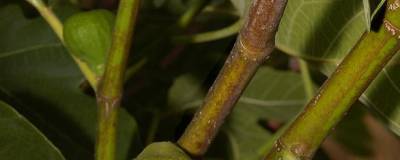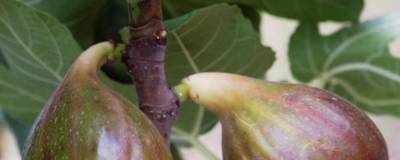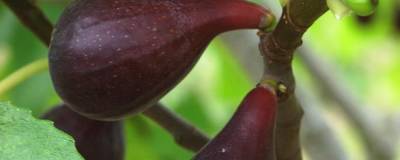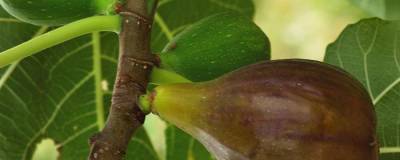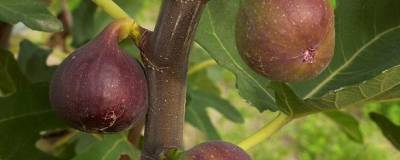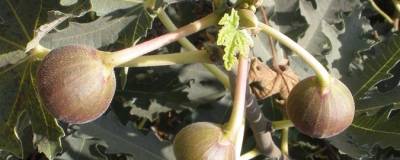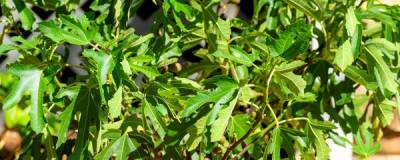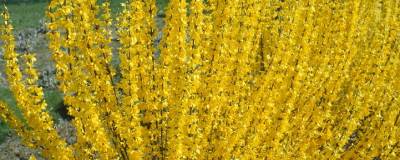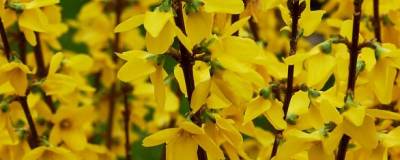

Fruit appearing twice a year (Biferous). Characteristic, erect form. A good variety, cultivated a lot in the Loire valley. Well adapted to Paris and its region, as well as the East of France.
Fruit appears twice a year, first in July, then in autumn (Biferous). The numerous figs appearing in autumn are smaller and can be dehydrated.
Produces flower-figs in July and in September-October (Biferous). The fruit appearing in autumn, contrary to the random summer figs, is proliferous, with a sweet rich taste, weighing about 50g.
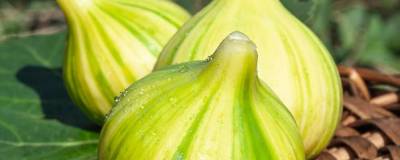
This plant will create a surprise in gardens, attracting attention to the original variegated figs, from mid-August to mid-September.
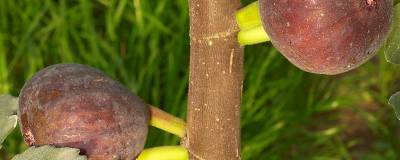
A moderately small tree, interesting for small gardens. A good production of figs once a year (uniferous). From August to October, attractive and very sweet figs of 60 to 70g.
Vigorous, fertile with fruit appearing early in the season. San Pedro type (biferous). Profusion of large and attractive figs in July of 100-120g.
Fruit twice a year (biferous). A juicy and sweet flesh. Early fig-flowers in July, of a large size with pink flesh.
A small fig tree, perfect for small gardens, terraces, bordering flowerbeds and in conatainers. Rustic. An original and decorative variety, due to the well cut leaves and a compact bushy form.
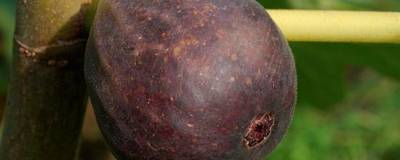
This small Fig Tree with short internodes is an improvement of the 'Negronne' variety (Synonym : 'Violette de Bordeaux').
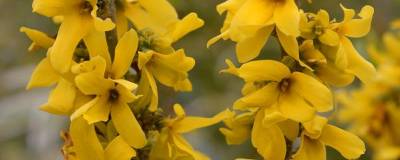
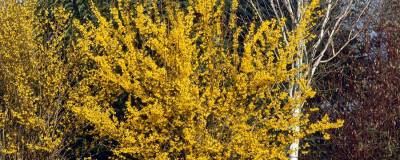
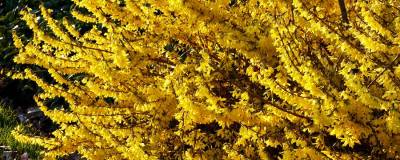
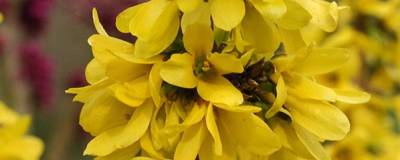
The most popular thanks to its impressive size. Vigorous and fast-growing. Very tight flowers in February-March.Spontaneous mutant of F. x intermedia 'Spectabilis'.
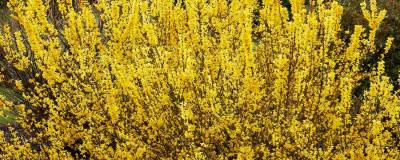
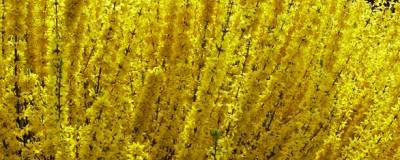
Very floriferous, flowers appearing late, around April, staying 3 to 4 weeks, and growing all along the branches. Dark green leaves. A compact plant growing 2m at the most.
The most compact of existing Forsythias currently found. Covered in lovely yellow flowers all along branches, in early spring (March-April).
Vigorous, upright and floriferous. Sulphur-yellow from mid-February to March.
Very floriferous in February-March, a low sprawling and compact shrub. Its lower branches can grow roots (Marcotte). Any soil, even clayey and chalky. Excellent ground coverage.
Very floriferous in March-April, vegetation is compact and spherical. Lovely leaf-colours in autumn, purple-bronze and graphically covering the branches.
Lovely compact and dense plant. Long lasting and abundant sulphur-yellow flowers appearing all along the branches in early spring (March-April).
Sturdy, rapid growth but staying compact. Very floriferous from the end of February to mid April.
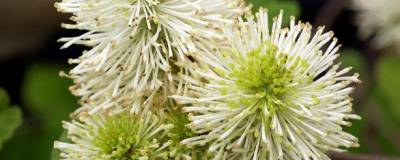
This lovely rounded and dense shrub, resembling Witch Hazel, has white flowers in spring. Appearing with the leaves in May, they will have a lovely honey scent.
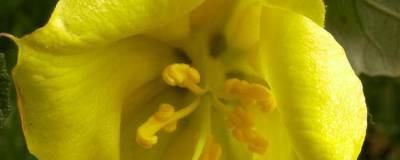
Evergreen plant and very interesting due to the abundant yellow flowering in May-June. It can grow as a shrub or trellised against a wall, sheltered from cold winds. Rapid growth when young.
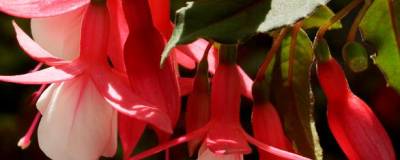
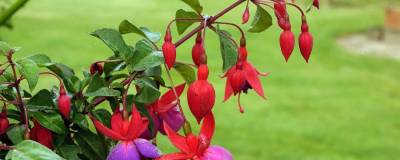
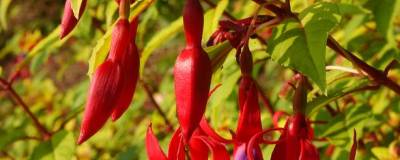
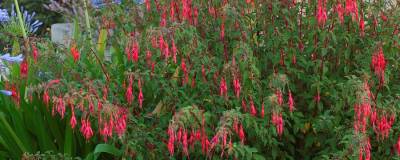
Lovely white, pink and red flowers from June to September. Relatively rustic and rounded shrub, with flexible branches. Appreciates a rich and quite light soil.
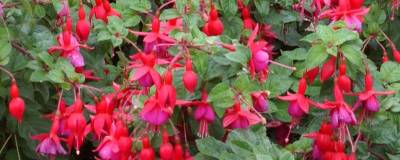
Red and purple flowers from June to September, enhanced by the superb, shiny dark green leaves. Relatively rustic and rounded shrub with willowy stems. Appreciates a light and rich soil.
Superb gold-green leaves on red stems. Abundant cherry-red and purple flowers from June to September. A rustic, rounded shrub, with willowy branches. Appreciates a light and rich soil.
One of the most rustic of plants with rapid growth. Bears numerous little red and purple flowers from June to September. Excellent for hedges, containers and flowerbeds.
Red and purple flowering from June to September. Compact, relatively rustic, dwarf plant. Appreciates a rich and light soil.
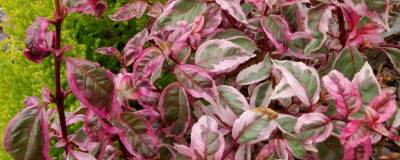
Red and pruple flowers in August-September. In spring, the young foliage is bronze-green, bordered bright pink and cream.
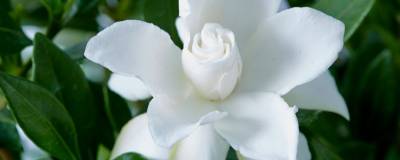
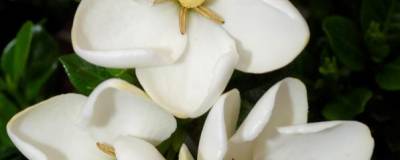
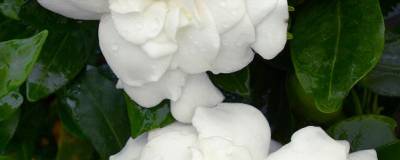
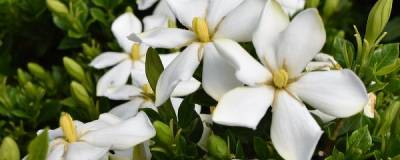
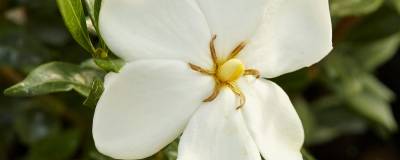
The star-shaped double flowers are a charming cream colour and very perfumed, abundant from May to July and repeating periodically up to September.
The flowers are double, cream coloured and abundant from May to July, repeating in September. Relatively rustic, spreading and compact form.
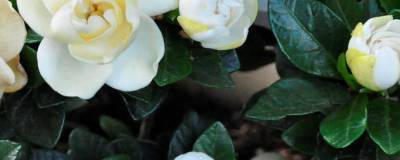
Abundant cream flowers from May to July, repeating in September. A compact and rustic form of the indoor Gardenia.
Flowers are double, very fragrant and cream coloured, appearing between May and July with a possible repeat flowering at the end of summer. A compact and rustic inside Gardenia.
The perfume emanating from these large cream flowers is irresistable and captivating. The abundant flowering starts in May-June and will periodically repeat until autumn.
This compact shrub is nonetheless vigorous for a Gardenia. The cream flowers, heavily perfumed, are abundant from May to July and repeat periodically up to September.
Evergreen shrub with a compact and upright growth habit. Slow-growing when young, it can be trained against a wall.
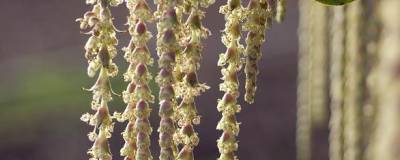
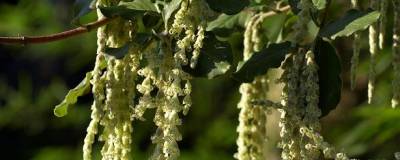
A vigorous male variety, with large curvy leaves and up to 20cm long catkins. Compact, erect and evergreen shrub, growing slowly in youth, and can be trellised against a wall.
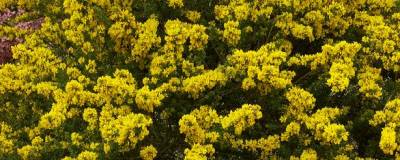
Vigorous, quite fast growing and a very floriferous plant. Covered in April-May with bunches of perfumed yellow flowers. Often a repeat flowering can occur in autumn, if in a warm climate.
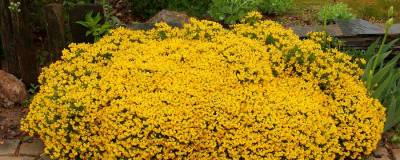
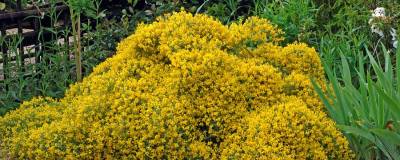
Forms a rounded cushion of dense vegetation, covered in melliferous, shiny, golden-yellow flowers in April-May. Little narrow leaves of 1cm long, dark green, with a downy underside.
Dense, rigid and spreading vegetation with semi-drooping branches. It has an average growth and is very floriferous. Tolerates dry and calcareous conditions.
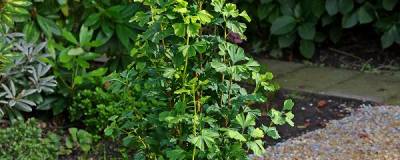
Exists on earth, allegedly, for over 200 millions years. Very rustic and resistant to pollution. Survived Hiroshima and Nagasaki. Fan shaped leaves, split in the middle.
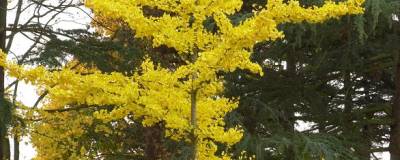
Erect bearing when young, the peak flaring with age. Rustic and resistant to parasites. Leaves are a fan shape, split in the middle. Lovely orangey yellow colour in autumn.
Superb variety, naturally growing in a narrow column form with many delicate branches.
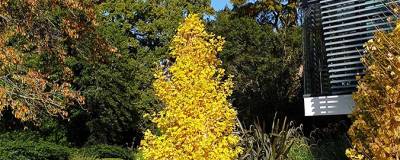
A vigorous erect form, naturally growing into a compact column, even without pruning. Leaves are bluish-green in spring and summer, becoming golden in autumn.
Narrow columnar Ginkgo from the Formidable Plants range, an improvement on 'Blagon', very fastigiate and naturally tightly compacted (angle of branch insertion less than 35°).
Introduced in France by Minier in 1966. Can grow over 10m tall. Small shrub with a gold thin foliage in spring turning dark green in summer and brown in autumn.
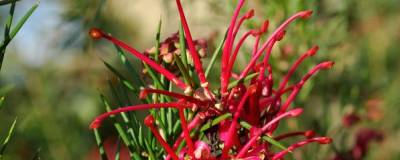
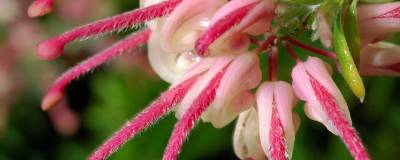
The most rustic of this genus. Delicate leaves, resembling those of the Juniper, contrasting with the exotic looking, bright pinky-red flowers.
Originally found in the mountainous regions of New Zealand. This form is of the creeping variety. Soils tending to be acid to neutral are preferable, even if the plant tolerates chalk.
An evergreen plant for free growing or trimmed hedges. Tolerates sea spray. Lovely emerald-green, shiny leaves, decorative all year.
Catalogue Minier Solutions Pro 2019 - 2020
Catalogue Minier Solutions Pro 2018 - 2019